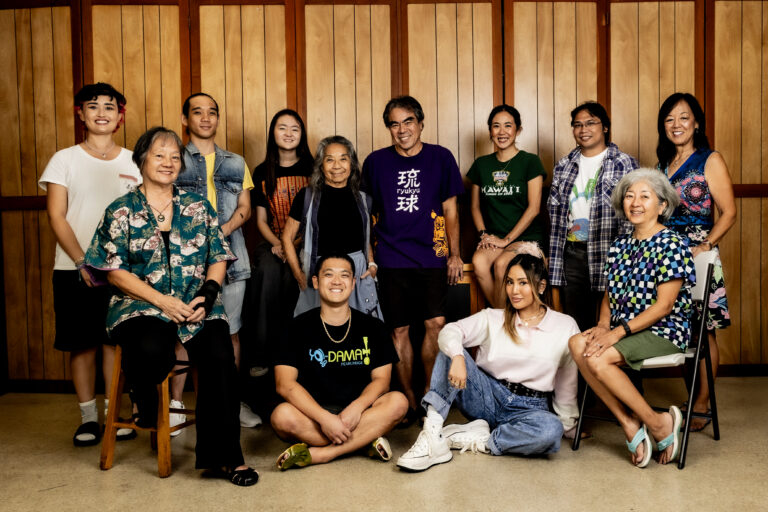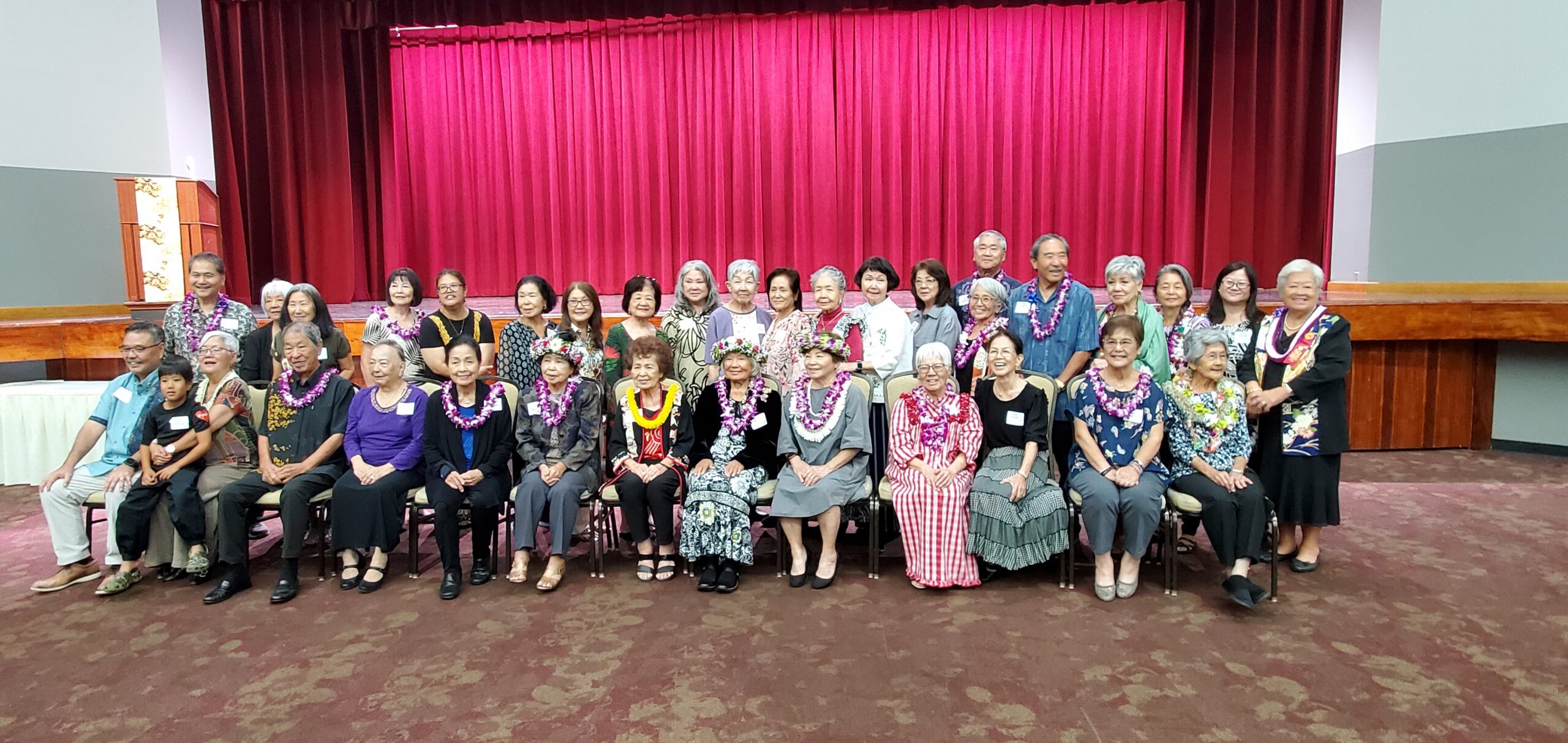
The 52nd Annual Nenchosha Ian Engei Taikai event, organized by the United Japanese Society of Hawaii (UJSH), was held on Saturday, Sept. 26, at the Hawaii Okinawa Center in Waipiʻo. In the past, this annual event has honored seniors who have reached the age of 80. However, this year’s celebration also included seniors who reached their 88th and 99th birthdays. This long-standing tradition started in 1962 and has become a significant cultural event in Hawaiʻi’s Japanese community.
This year’s honorees were born in 1946, a year that marked the beginning of a new era in the United States and Hawaiʻi. World War II had ended the year before, and Hawaiʻi was transitioning from wartime life back to peacetime. In 1946, Hawaiʻi experienced the devastating tsunami that struck Hilo on April 1, while across the country, Americans were adjusting to life after the war. The honorees grew up during a time of tremendous change, from the Territory of Hawaiʻi’s postwar years to the dawn of the television and automobile age. They remember the Lucky Luck Show, Elvis Presley’s arrival in Hawaiʻi, growing up with hamburgers and hot dogs, and the many summers spent working at Dole Cannery — affectionately remembered as “the cannery days.”
For those celebrating their 88th and 99th birthdays, their lives span nearly a century of remarkable change in Hawaiʻi. They grew up in the postwar years, rooted in the traditions and values of their Japanese and Hawaiʻi families and communities. They experienced Hawaiʻi’s transformation from a territory to the 50th state and witnessed generations of change while carrying forward traditions of family, hard work, respect and community. Through neighborhood gatherings, social clubs, local foods, music and customs passed down through the generations, they helped preserve the unique culture of Hawaiʻi. Their stories are a living connection to the past — and a legacy that continues to inspire the generations that follow.
This year, 36 honorees who have made significant contributions to the community were recognized. The honorees were:
CENTRAL OAHU KUMAMOTO KENJIN KAI
- Ronal Matsuura (80)
- Elsie Morikawa (80)
- Lorna Samarripa (80)
- Elain Tsuchiyama (80)
HAWAII FUKUOKA KENJIN KAI
- Hiroko Irene Nakahara (80)
- Evelyn H. Nakamura (80)
- Richard M. Wakida (88)
HAWAII UNITED OKINAWA ASSOCIATION
- Roy Arakaki (80)
- Charlotte Tokuda Arakaki (80)
- Nancy China (99)
- Ruth Chun (80)
- Catherine Hiroko Higa (88)
- Manasey Hatori (88)
- Melvin Horimoto (80)
- Gary Jitchaku (80)
- Susan Kanemoto (80)
- Inez Kaneshiro (80)
- Jessie Kojiro (80)
- Sandra Yanagi (80)
- Nancy Yogi (88)
HONOLULU FUKUSHIMA KENJIN KAI
- John Coe (80)
- Iwao Sato (80)
HONOLULU HIROSHIMA KENJIN KAI
- Lorene Ryoko Fujimoto (80)
- Dorothy Chihoko Nakamura (88)
- Gerald Hisashi Ohta (80)
IWAKUNI ODORI AIKO KAI/CENTRAL OAHU KUMAMOTO KENJIN KAI
- Faye Shigemura (80)
JAPANESE WOMEN’S SOCIETY FOUNDATION
- Vickie Kennedy (80)
- Julie Shimonishi (80)
LANAKILA OKINAWA NENCHOSHA CLUB
- Dorine Ichikawa (88)
- Yaeko Miyahira (88)
- Masako Oda (99)
- Setsuko Uehara (80)
- Nancy Yeda (88)
MADOKA NO KAI
- Junko Holmes (88)
WAHIAWA-WAIALUA HIROSHIMA KENJIN KAI/HAWAII UNITED OKINAWA ASSOCIATION
- George Tamashiro (88)
Each honoree was presented with a certificate of appreciation and a large swag bag containing items donated by various kenjin kai, including delicious treats, commemorative booklets and practical items.
The program began with an energetic performance by Chinagu Eisa Hawaii, setting a celebratory tone. Master of Ceremonies [name not provided] introduced UJSH President David Ryo Jones, who welcomed the guests and recognized the honorees. A congratulatory message from Consul General of Japan Yoshinori Kodama followed.
Between the four groups’ certificate presentations, guests enjoyed entertainment by Madoka no Kai, Chinagu Eisa Hawaii, Jane Higa, president of the Lanakila Okinawa Nenchosha Club, and Hanayagi Mitsusumi Dance Studio. Other highlights included a trivia game led by Clyde Matsumoto and an opportunity for everyone to join in several bon dance numbers — “Furusato Yamaguchi,” “Shamisen Boogie” and “Shiawase Ondo” — led by the Iwakuni Odori Aiko Kai.
Event Chair Karen Kuba-Hori thanked everyone for helping make the event a success, and David Arakawa helped bring the celebration to a close with a rhythmically joyful tejime, a celebratory hand-clapping tradition performed at the end of an event.
UJSH is dedicated to preserving Japanese traditions and promoting goodwill between Japan and the United States. The organization hosts a variety of other events throughout the year, including its Installation and Recognition Banquet, where it honors community members for their leadership and contributions.