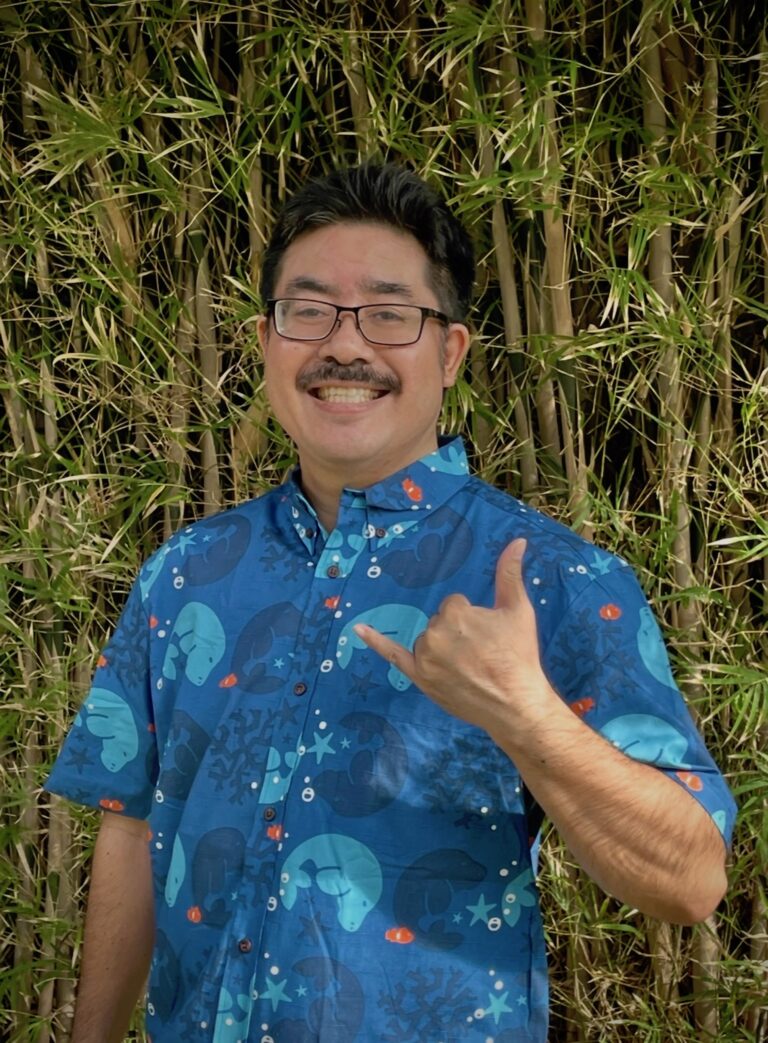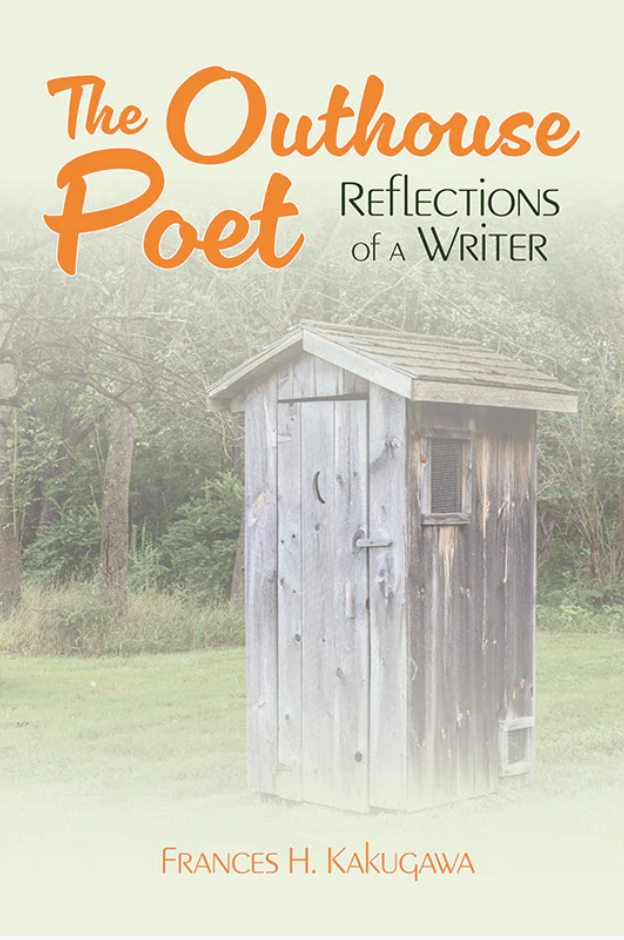
When Kapoho-born author and poet Frances H. Kakugawa invited me to write the foreword to her nineteenth book, The Outhouse Poet: Reflections of a Writer (Watermark Publishing, 2025), I jumped at the opportunity. Having followed her literary career for years, I was already familiar with Kakugawa’s remarkable versatility as a writer.
Over nearly six decades of publishing, her subject matter has been wide-ranging. In Kapoho: Memoir of a Modern Pompeii, for example, she takes readers back to her childhood home of Kapoho, a tight-knit rural plantation community on Hawaiʻi Island that was buried by lava during the 1960 Kīlauea eruption. She has also written movingly about caregiving, dementia, and self-care—subjects she knows intimately through her firsthand experience caring for her mother, Matsue, a gentle woman whose memories were gradually stolen by the unrelenting brain disease known as Alzheimer’s. Kakugawa has further explored the sting of war and racism, whether experienced eight decades ago during World War II or in contemporary American society.
Kakugawa is also the author of a series of award-winning children’s books centered on a precocious mouse-poet named Wordsworth. In 2022, the University of Hawaiʻi at Hilo’s Performing Arts Center adapted these works into a heartwarming musical inspired by themes from her children’s stories. One storyline depicts Wordsworth’s beloved Tūtū as she experiences cognitive decline. When others regard Tūtū warily or speak in hushed tones around her, Wordsworth gently reminds them that despite her forgetfulness, Tūtū can still appreciate companionship, kindness, and fun. The underlying message—one that resonates with both children and adults—is the importance of staying connected, even when someone struggles to remember the past.

Staying connected, in fact, is Kakugawa’s specialty. Now living in Sacramento, California, Kakugawa—who celebrates her 90th birthday in February—proves that while you can take the little girl out of the outhouse, you can’t necessarily take the outhouse out of the woman. Nor should you want to. Though she can presumably afford the finest modern comforts, Kakugawa wears her outhouse roots like a badge of honor. They represent a time and place where her deepest values and most compassionate understanding of humanity were formed. In a small rural village like Kapoho, communication meant talking, reading, writing, and playing outdoors with friends—not pressing buttons on electronic devices all day long.
In The Outhouse Poet, Kakugawa explains that her family’s outhouse in Kapoho served as an imaginative sanctuary from bothersome childhood tasks. “I stay in da toilet!” she would shout in response to an adult’s call to help cook rice or perform some other mundane chore. There, in the privacy of this simple outdoor structure—used as a toilet long before the advent of indoor plumbing—Kakugawa dreamed of a more glamorous life beyond her caring but humble village. An avid reader from an early age, she was determined to become a published writer, a dream realized in 1969 with her first book of poems, Sand Grains. The Outhouse Poet marks her nineteenth published book.
The book offers a rich variety of Kakugawa’s writings. Some pieces revisit familiar themes explored in her earlier works, while others introduce new material, such as stories about people she meets during her daily walks to a nearby shopping mall in Sacramento. She affectionately calls them “mall rats” and devotes a substantial portion of the book to these evolving friendships. In her characteristic style, Kakugawa draws profound meaning from seemingly simple personal encounters. Many of the stories speak to the goodness and kindness she discovers by making genuine, sincere connections with others. Even Wordsworth the mouse-poet makes an appearance—this time writing about Kakugawa, rather than the other way around.
But Kakugawa is no Pollyanna. She does not shy away from difficult and painful subjects, writing candidly about moments when she has felt the sting of discrimination. “I was five years old when Pearl Harbor was bombed on December 7, 1941,” she writes at the opening of one chapter. “I sensed then that we had a dangerous enemy, and that enemy was me.” The next three lines appear in poetic form:
under the rising sun
the enemy came
wearing my face.
She goes on to describe the fear response triggered by Pearl Harbor within the Hawaiʻi Japanese community—an experience she lived through firsthand. People literally buried their Japanese heritage and identity, afraid of being mistaken for the enemy. Kakugawa observes a similar reaction among some modern-day immigrants, who fear being labeled “the enemy” in today’s world as well.
Many other stories in the book, however, are hopeful and affirming—stories that renew the reader’s faith in human goodness and decency. The physical outhouse Kakugawa remembers so fondly is long gone, buried beneath lava rock or destroyed when the flow passed over it. Yet the outhouse within Kakugawa remains very much alive.
Visiting Hawaiʻi in January for book signings at Basically Books in Hilo and Barnes & Noble at Ala Moana Shopping Center in Honolulu, Kakugawa had the opportunity to reconnect with relatives, old friends, former students, and longtime readers. Some of her former elementary school students are now older adults themselves, with grandchildren of their own. Many told her they want more stories—and, not wanting to disappoint, Kakugawa has begun thinking about book number twenty. After all, she’s only 90, and a doctor recently told her she’ll live to be 100. In response, she invited him to her 100th birthday party.
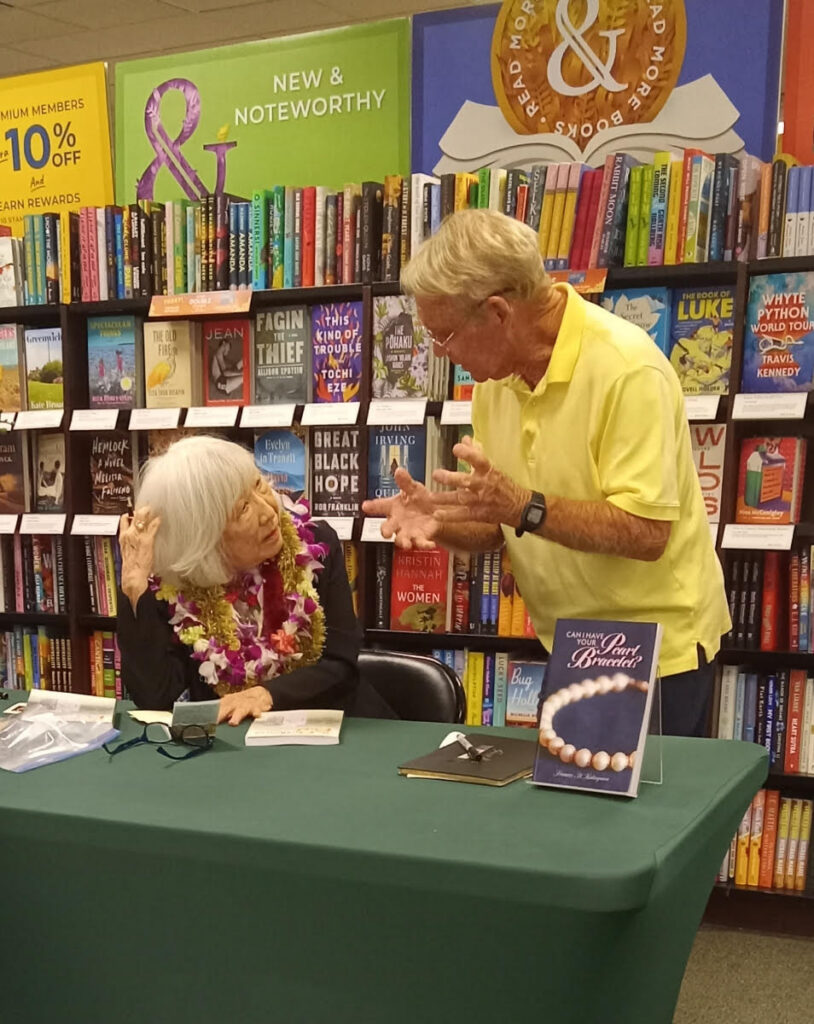
For Kakugawa, the outhouse in Kapoho is both a literal structure from her childhood and a place that lives on in her memory and writing. Symbolically, it represents a safe space—somewhere to escape the cares of the world and dream of the many wonderful things still to come down the chute of life.
“It is my hope that you are able to find your own special outhouse somewhere in a park, at a beach, or on the street where you live,” Kakugawa writes toward the end of her book. “There is a treasure waiting for you.”
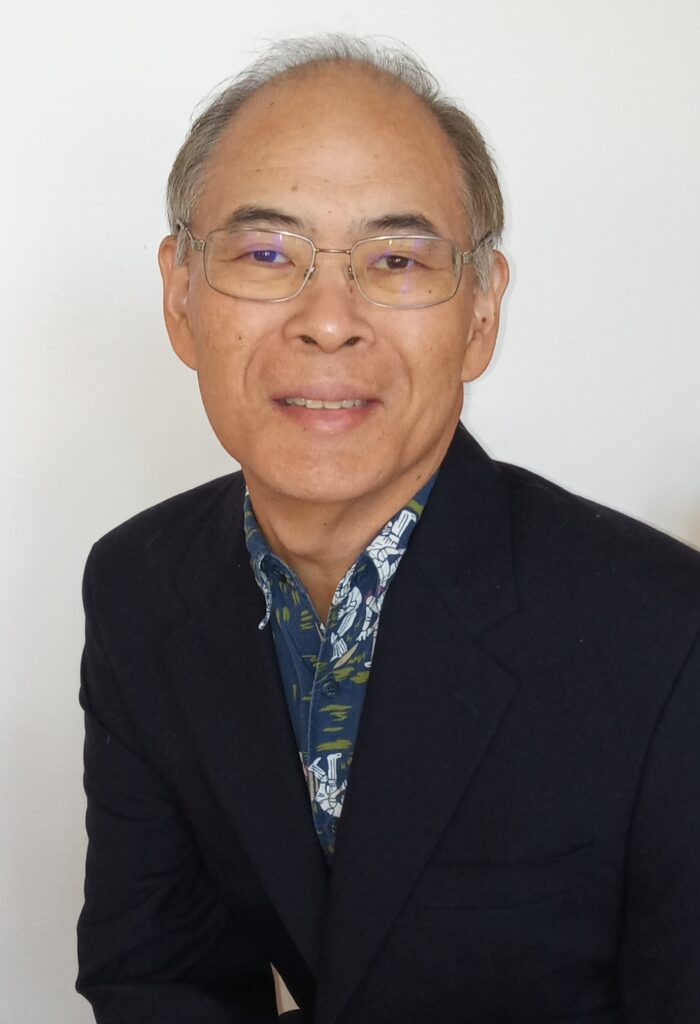
Kevin Y. Kawamoto is a former associate professor at the University of Hawaiʻi at Mānoa and currently works at the UH Mānoa Center on Aging. He has written or co-written a number ofacademic textbooks and has been a freelance writer for more than 30 years.